
Choosing between a traditional bed and custom murphy beds can completely change how a room functions. For small bedrooms, guest rooms, home offices, studios, and multipurpose spaces, the right bed is not just about comfort—it is about how much usable space the room gives back to you.
Overview
Traditional beds are simple, familiar, and always ready to use. Murphy beds, on the other hand, fold into the wall or cabinetry when not needed, allowing one room to serve multiple purposes.
| Feature | Traditional Bed | Murphy Bed |
|---|---|---|
| Floor Space | Always occupied | Freed when folded |
| Best Use | Primary bedrooms | Guest rooms, offices, studios |
| Storage Potential | Limited | High with built-ins |
| Design Flexibility | Moderate | Excellent |
Option A: Traditional Beds
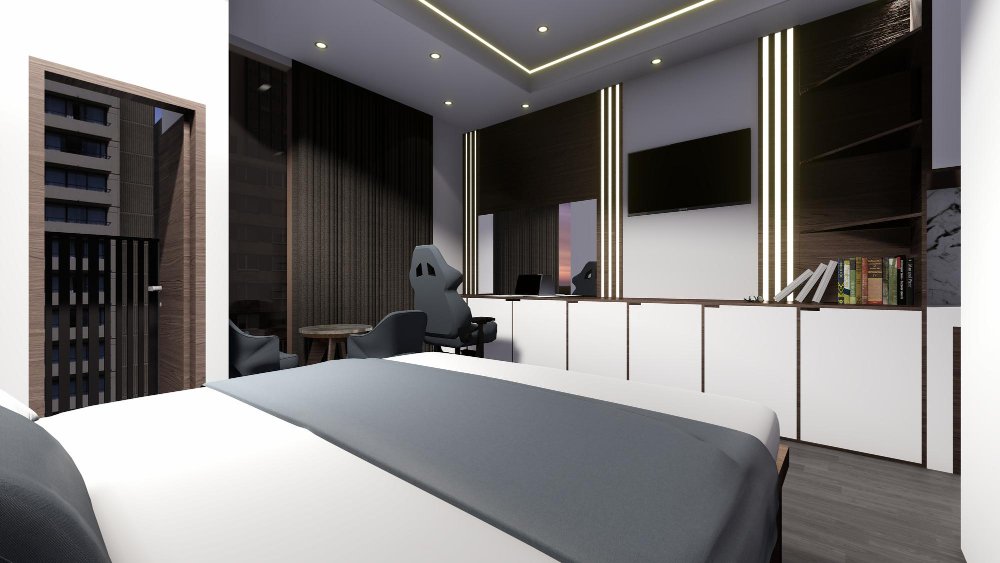
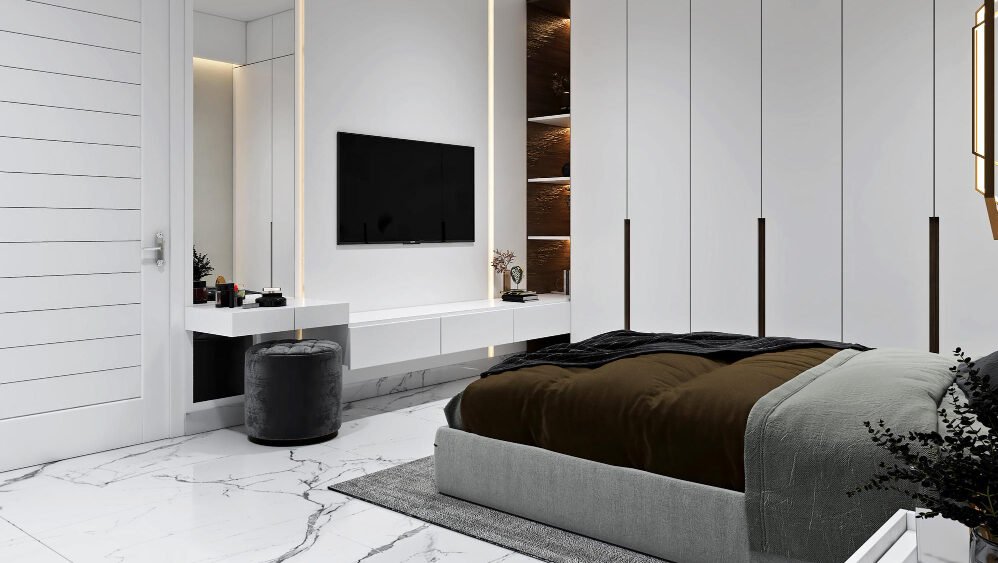
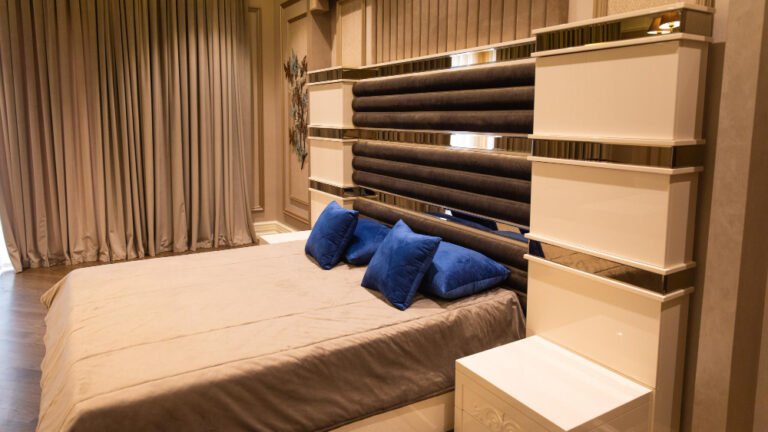
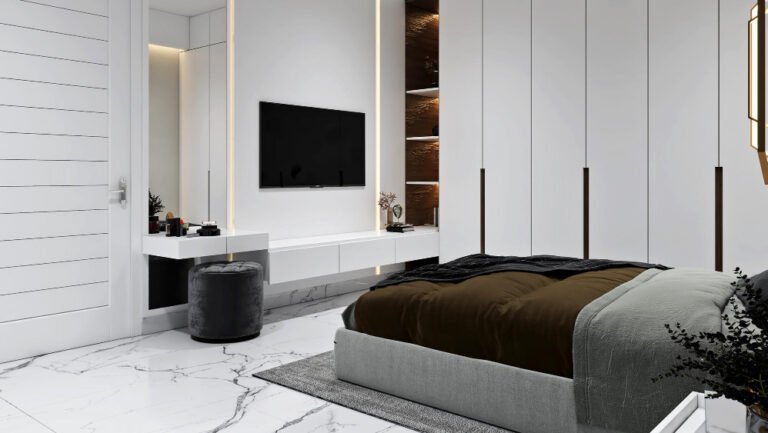
A traditional bed is often the best choice for a primary bedroom where the bed is used every day and does not need to disappear. It is easy to purchase, simple to arrange, and available in endless styles.
Pros
- Always ready for use
- Wide range of prices and styles
- Easy to move or replace
- Works well in dedicated bedrooms
Cons
- Permanently uses floor space
- Limits room flexibility
- Can make small rooms feel crowded
- Offers less built-in storage
Option B: Custom Murphy Beds
Custom wall beds are ideal for rooms that need to do more than one job. A guest room can become a home office. A studio apartment can feel more open during the day. A hobby room can still provide a comfortable sleeping space when needed.
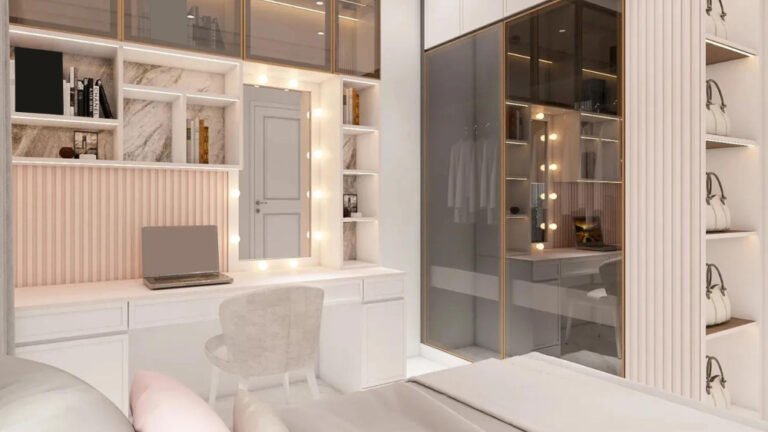
Modern Murphy beds are no longer basic fold-away units. Many now include cabinetry, shelving, lighting, desks, wardrobes, and hidden storage.
Pros
- Creates more usable floor space
- Supports multipurpose rooms
- Can include built-in storage
- Looks like custom cabinetry when closed
- Improves visual openness
Cons
- Usually costs more than a standard bed
- Requires professional installation
- Must be properly anchored for safety
- Less portable than freestanding furniture
Side-by-Side Comparison
| Category | Traditional Bed | Murphy Bed | Winner |
|---|---|---|---|
| Daily Convenience | Excellent | Good | Traditional Bed |
| Small-Room Functionality | Limited | Excellent | Murphy Bed |
| Storage Options | Moderate | Excellent | Murphy Bed |
| Design Integration | Good | Excellent | Murphy Bed |
| Initial Cost | Lower | Higher | Traditional Bed |
Storage and Organization Comparison
| Storage Feature | Traditional Bed | Custom Murphy Bed |
|---|---|---|
| Built-in shelves | Usually separate | Often integrated |
| Desk option | Requires extra furniture | Can be built in |
| Wardrobe storage | Separate closet needed | Can be included |
| Hidden compartments | Limited | Highly customizable |
Don’t wait!
Contact us now to schedule your consultation and discover how we can transform your kitchen into the heart of your home!
Winner Highlights
Winner for primary bedrooms: Traditional beds are usually the better choice when the room is used only for sleeping and space is not a major concern.
Winner for small homes: Murphy beds are the stronger option when every square foot matters.
Winner for guest rooms: Murphy beds allow the room to function as an office, gym, craft room, or lounge when guests are not visiting.
Winner for storage: Custom Murphy systems clearly outperform traditional beds because they can include shelving, drawers, desks, and wardrobe cabinets.
Final Recommendation
If you have a dedicated bedroom with plenty of space, a traditional bed may be the simplest and most practical choice. But if your room needs flexibility, storage, and a cleaner daytime layout, space-saving murphy beds offer far more long-term value.
The best choice depends on how the room is used. For homeowners trying to make a small room feel larger, support remote work, or create a stylish guest space without sacrificing everyday functionality, a custom Murphy bed is often the smarter investment.